How to Clean and Care for Custom Menus So They Last
Custom menus last longest when you match the cleaning routine to the stock: wipe laminated and synthetic menus with a soft cloth and mild solution between seatings, keep paper menus dry and rotate them out, and store every menu flat, away from heat and grease. Get Custom Menus prints each format to survive real service, and good care stretches the time between reorders.
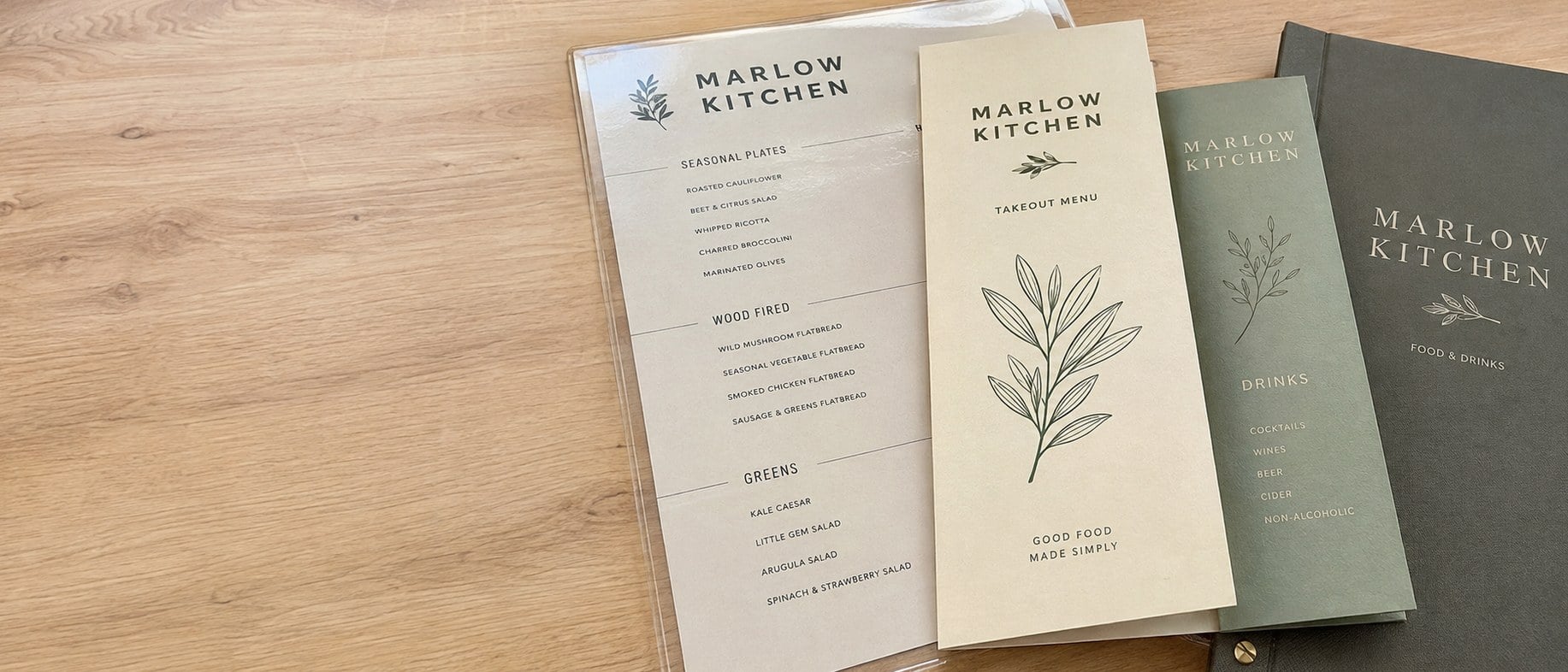
- Laminated and synthetic menus can be wiped down between seatings
- Disposable paper menus are designed to be replaced, not cleaned
- Store menus flat and dry, away from the kitchen pass and direct sun
- Free mockup within 24 hours, standard turnaround about 2 weeks
- Pay nothing until you approve the design
How do you clean custom menus without damaging them?
The safest way to clean custom menus is a soft, lightly damp cloth with a mild soap or a sanitizer suited to food-contact areas, followed by a dry cloth. Get Custom Menus recommends wiping laminated and synthetic menus after each seating and letting them dry fully before they go back on the stack, because trapped moisture is what makes menus stick together and cloud over.
Most damage to menus comes from the cleaning itself, not from guests. Scouring pads scratch the surface, soaking cloths push liquid into edges and bindings, and strong solvents can dull the finish over time. A gentle, consistent routine does far more than an occasional hard scrub.
- Remove crumbs and loose debris with a dry cloth first.
- Wipe both sides with a damp cloth and a mild solution, working from the center toward the edges.
- Pay attention to the corners and spine, where hands hold the menu.
- Dry each menu with a clean cloth.
- Stand or lay the menus out until no moisture is left before stacking.
Always follow the label on any sanitizer you use and your local health guidance. If a product calls for a long contact time, apply it to the cloth rather than flooding the menu, so the edges stay sealed.
Which cleaning routine suits each menu format?
Each menu format at Get Custom Menus handles cleaning differently, so the right routine depends on the stock. Laminated and waterproof synthetic menus are built to be wiped, booklet menus need care around the cover and binding, and disposable paper menus are designed to be swapped out rather than cleaned at all.
| Menu format | Everyday care | What to avoid |
|---|---|---|
| Laminated restaurant menus | Wipe with a damp cloth and mild solution after each seating, then dry | Abrasive pads, soaking, sharp edges that lift the laminate |
| Waterproof synthetic menus | Wipe or rinse briefly, then dry; suits patios and bars | Harsh solvents and leaving menus wet in a stack |
| Booklet menus | Wipe the cover gently, dry the spine, check inner pages for stains | Wetting the binding or bending the cover back |
| Drink and cocktail menus | Wipe after every service; sticky residue builds up fast at the bar | Leaving menus on a wet bar top overnight |
| Disposable paper menus | Hand out fresh, recycle or discard after use | Trying to wipe and reuse a stained sheet |
| Trifold takeout menus | Keep the stack dry and dust-free at the counter | Storing near the fryer or a drinks station |
If your room mixes formats, write the routine for each one on a card for the closing checklist, so every server treats the same menu the same way.
How should paper and booklet menus be cared for?
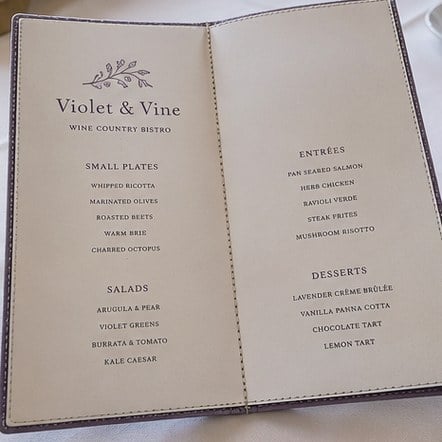
Paper menus are cared for by keeping them dry, clean and out of reach of spills until they reach the guest, then replacing them once they are marked. Disposable paper menus from Get Custom Menus are made for single-use or short-use service, so the care happens in storage and handling, not with a cloth.
Keep the paper stack in a closed drawer or box at the host stand, not on an open shelf near the bar where splashes land. Hand menus out with clean, dry hands, and pull any sheet with a stain, fold or torn corner before it reaches a table. A guest notices a marked paper menu immediately, and replacing one sheet is easy.
Booklet menus sit between the two. The cover is usually the hard-wearing part, while the inner pages and binding need gentler treatment. Wipe the cover, open the booklet to check for stains on the inside, and let the spine dry fully before closing it. Never stack damp booklets, because pressure plus moisture is what warps covers and marks pages.
- Check inner pages at the end of each service, not only the cover.
- Close booklets flat, never folded back on the spine.
- Keep a few spare inner pages or a backup set for the busiest nights.
How should restaurants store custom menus between services?
Custom menus should be stored flat or upright in a dry, clean spot away from heat, grease and direct sunlight, with clean menus never stacked on damp ones. A dedicated menu box, shelf or caddy at the host stand protects menus far better than a pile on the bar or a stack beside the kitchen pass.
Heat and sun are slow menu killers. A window ledge or a shelf above a heat lamp can fade colors and curl stock over a season, even on durable formats. Grease travels further than most teams expect, so keep menus well away from fryers, grills and the pass.
- Host stand: a covered box or upright holder keeps dust and splashes off.
- Bar: a dry shelf or holder off the bar top, not under the speed rail.
- Patio: bring menus inside at close; do not leave them on tables overnight.
- Back stock: keep spares in their original packaging in a dry office or storeroom.
Store spare menus the way you would store clean linen: sealed, dry and separate from anything that could mark them. Back stock that comes out looking new means your reorder can wait.
How do you make bar and patio menus last longer?
Bar and patio menus last longer when they are printed on a stock that expects water, sun and sticky hands, and then wiped and brought indoors every night. Get Custom Menus offers waterproof synthetic menus for exactly these spots, because standard paper gives up quickly when it meets a wet bar top or an afternoon in the sun.
At the bar, the enemy is sugar. Cocktail syrups and spilled drinks leave a residue that turns a clean menu tacky within a shift. A quick wipe after each rush, and a full clean at close, keeps drink and cocktail menus readable and pleasant to hold. Keep them off the bar mat and away from the ice well.
On the patio, the enemies are sun, rain and wind. Synthetic stock handles moisture well, but no menu enjoys a full day of direct sun, so keep patio menus in a shaded holder or with the host until guests sit down. Bring every outdoor menu in at close, and let any that got rained on dry out flat before stacking.
If your patio is seasonal, retire the outdoor set at the end of the season, check each menu and store the good ones dry. They will be ready when the tables come back out.
How do you know when custom menus need replacing?
Custom menus need replacing when they no longer look clean after a proper wipe, when text is hard to read, or when the information on them is out of date. Get Custom Menus suggests a simple end-of-service check: if you would be embarrassed to hand a menu to a first-time guest, pull it from the stack.
Wear shows up in predictable places. Look for these signs during your regular count:
- Laminate lifting or bubbling at the corners or edges.
- Stains or discoloration that cleaning does not remove.
- Faded colors on menus that sit near windows or outdoors.
- Creases, tears or a broken spine on booklet menus.
- Cloudiness or scratches that make small type harder to read.
- Dishes, drinks or details that have changed since printing.
Pull damaged menus as you find them rather than waiting for the whole set to wear out. When the pulled pile starts to grow, that is the signal to reorder. Because standard turnaround is about 2 weeks after proof approval, start the reorder while you still have enough good menus to cover a full service, not when you are down to the last few.
Can you choose a menu design that is easier to keep clean?
A menu design can make cleaning easier, mostly through the format and stock you choose and a few layout decisions made at the mockup stage. Get Custom Menus returns a free mockup within 24 hours, so you can weigh how a design will look after months of handling before anything is printed.
Format matters most. A single flat laminated or synthetic card has no binding to protect and wipes clean in seconds, while a booklet gives more room but more places for crumbs and moisture to hide. For high-turnover rooms, many owners keep the main list on a wipeable card and put the longer wine or cocktail list in a booklet that is handled less often.
Layout choices help too. Very pale backgrounds show every fingerprint, while mid-tone or textured designs hide small marks between cleanings. Leaving clear margins around the edges keeps important text away from the corners, which take the most wear. Separating changeable items, such as daily specials, onto a cheaper insert means the main menu can stay in service longer, because a price change does not force you to retire a menu that still looks good.
Raise these points in your quote request and the design team can build them into the first mockup, with unlimited free revisions until it is right.
How does Get Custom Menus help your menus last?
Get Custom Menus helps your menus last by matching the stock and format to the way each room is used, from laminated restaurant menus for the dining room to waterproof synthetic menus for the patio and disposable paper menus for fast turnover. The right choice at the order stage does more for longevity than any cleaning routine.
When you request a quote, tell the team where each menu will live and how it will be cleaned: a busy brunch room, a bar with sticky tops, a poolside deck, a private dining room. That detail shapes the recommendation for each format in your order.
- Send your menu content, logo and a note on where each menu will be used.
- Receive a free mockup within 24 hours.
- Request changes with unlimited free revisions.
- Approve the design; you pay nothing until you do.
- Receive your menus in about 2 weeks, with faster turnaround available with express shipping.
Once your menus arrive, a short care routine on the closing checklist keeps them looking the way they did on the first night.
Frequently asked questions
Can I use a regular kitchen sanitizer on laminated menus?
Laminated menus can usually be wiped with a sanitizer suited to food-contact surfaces, as long as you follow the product label and your local health guidance. Apply the sanitizer to a cloth rather than spraying the menu heavily, so liquid does not reach the edges. Dry each menu before stacking. Avoid abrasive pads and harsh solvents, which can dull or scratch the laminate over time.
Why do my laminated menus stick together in the stack?
Laminated menus usually stick together because they were stacked before they were fully dry, or because sugary residue was left on the surface. Wipe each menu with a mild solution, dry it with a clean cloth and let it air out before stacking. Get Custom Menus also suggests storing menus upright in a holder rather than in a tight pile on the bar.
Are waterproof synthetic menus safe to rinse under a tap?
Waterproof synthetic menus handle moisture far better than paper, and a brief rinse to remove sticky residue is generally fine. Dry each menu straight away with a clean cloth and let it air out before stacking. Avoid long soaks, very hot water and harsh solvents. Get Custom Menus recommends synthetic stock for bars, patios and poolside service, where menus get wet often.
How do I get sticky cocktail residue off drink menus?
Drink menus with sticky cocktail residue clean up best with a cloth dampened in warm water and a little mild soap, followed by a dry cloth. Work gently over the residue rather than scrubbing, which can scratch the surface. Wiping drink menus after each rush, not only at close, stops syrup from building up and keeps them pleasant for guests to hold.
Can booklet menus be cleaned without ruining the binding?
Booklet menus can be cleaned safely if you keep moisture away from the binding. Wipe the cover with a lightly damp cloth, dry it immediately and pay extra attention around the spine. Check the inner pages for stains at the end of service. Let each booklet dry flat before closing and stacking it, because damp pressure is what warps covers and marks the pages inside.
What is the best place to keep spare menus in a restaurant?
Spare menus keep best in their original packaging in a dry office or storeroom, away from heat, grease and sunlight. Get Custom Menus suggests treating back stock like clean linen: sealed, labeled by format and kept apart from cleaning chemicals and kitchen equipment. Spares stored this way come out looking new, which lets you swap out worn menus without placing an urgent reorder.
Do custom menus fade if they sit near a window?
Custom menus can fade over time when they sit in direct sunlight every day, whatever the stock. Colors and dark backgrounds show it first. Keep menus in a covered box or a shaded holder at the host stand rather than on a sunny ledge, and bring patio menus inside at close. Rotating menus between the window tables and the inner room also spreads wear evenly.
Should a cleaning routine for menus be on the closing checklist?
Menu cleaning belongs on the closing checklist so it happens every night, not only when someone notices a sticky menu. List each format with its own routine: wipe and dry laminated and synthetic menus, check booklet inner pages, and pull marked paper menus. Get Custom Menus finds that a written routine keeps menus consistent across shifts and staff changes.
Can I reuse disposable paper menus if they still look clean?
Disposable paper menus can be handed out again if they are genuinely unmarked, but they are designed for short use and cannot be wiped or sanitized like laminated stock. Pull any sheet with a stain, crease or torn corner. Many venues pick disposable paper menus from Get Custom Menus precisely because a fresh sheet for each guest removes the need for cleaning.
How can I tell if worn menus are hurting the guest experience?
Worn menus usually show it through small signals: guests holding menus by the very edge, asking servers to read faded items, or pushing a sticky menu aside. Hand a menu from the middle of the stack to a colleague and ask honestly whether it feels clean. If the answer is no, Get Custom Menus can turn around a replacement set in about 2 weeks.
Is it worth ordering menus in a stock chosen for easy cleaning?
Ordering menus in a stock chosen for easy cleaning is usually worth it for any room where menus are handled many times a day. Laminated and waterproof synthetic menus wipe clean between seatings and stay in service longer, while paper suits single-use service. Get Custom Menus can recommend a stock for each room in your quote, with a free mockup within 24 hours.
Get a free mockup for your menus
Send your logo or idea and the quantity you have in mind. Get Custom Menus returns a free mockup within 24 hours, you approve the design before anything is produced, and standard turnaround is about two weeks with faster options available. Get a custom quote.
Win Free Stuff
Enter below for a chance to win plus receive 10% off your first order.
🎉 You are in!
We will text you your 10% off code. Good luck!